

Environmental Sciences
BACHELOR OF SCIENCE

Experience One engages students and faculty in actively exploring the knowledge, purposes, and practices in every field of study.
The Environmental Sciences Department is dedicated to educating the next generation of environmental scientists, educators and leaders.
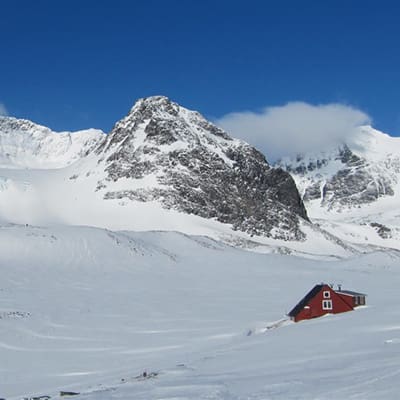
Our classrooms have no walls. Instead, you will learn your trade primarily in the mountains and valleys of southwest Montana. You will use this natural lab to work on real projects that make a difference in the quality of the environment. Imagine yourself studying streams to save fluvial Arctic grayling from extinction. Snowshoeing into alpine lakes to study climate change. Climbing mountains to study geology in Yellowstone and Grand Teton National Parks. Imagine yourself becoming an activist working with non-profits like The Nature Conservancy to restore local wetlands. You have a unique opportunity to use your education to make a positive difference in this world. This is your chance.
You must have an unwavering passion for the natural world and be dedicated to working towards sustainability. You must be willing to put in long hours in the field, and always be dedicated to your team and quality results. The payoff for you is a portfolio filled with examples of what you can do. You will make connections for internships and jobs, and since our job placement rate is over 90% within two years of graduation, you will succeed. For the extra adventurous, many classes involve traveling all over the world.
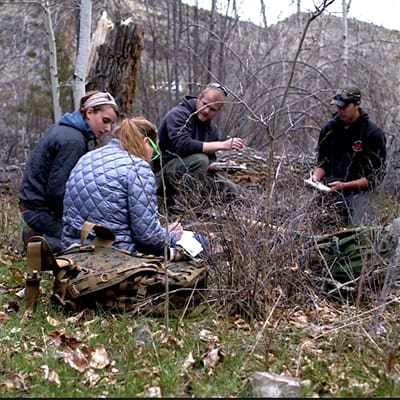
It’s What We Do: Engage Students in Authentic Practices: For this class we partnered with U.S. Forest Service & Flathead Watershed Alliance to support and protect the Flathead Watershed.
Watch more department related videos on our Facebook page.
Social Media
TEDx UMW
NEWS
2025
- March 2025: UMW Student, Kimberly Giannone, has research abstract “Integrating Agricultural Perspectives: Enhancing Water and Drought Management through Producer Insights in Southwest Montana” accepted to American Association of Geographers Annual Meeting in Detroit, MI.
2024
- August 13, 2024: UMW students publish Moving In: Adapting to Grizzlies in Southwest Montana: Grizzly bear management reveals the complexity of balancing different interests.
- June 27, 2024: UMW Students Present Research at Geological Society of America Meeting
- May 20, 2024: Montana Western’s Jonah Lindsey Receives Student Volunteer Award
- April 8, 2024: University of Montana Western Invites Community to 17th Annual Student Research Symposium
- March 22, 2024: Montana Western Announces Commencement Speaker Dr. Steve Mock
- March 14, 2024: UMW Invites Community to “Geology and History on the Silver Bow Creek Greenway Trail” Presentation by Richard Gibson
- February 2, 2024: UMW Presents “Reinventing an Ancient Cattle Culture: How Humans and Livestock can Bring Healing to Western Rangeland”
- January 30, 2024: UMW’s “On the Rocks” Series to Host Speaker Dr. Don Penman
2023
- December 18, 2023: Polar Research Team Develops Virtual Field Experiences for Undergraduate Students
- November 16, 2023: UMW Hosts Community Water Conversations Panel with Trout Unlimited
- September 29, 2023: UMW Professor Publishes Research on Glacier Retreat in the Pioneer Mountains During the Last Ice Age
- September 20, 2023: Upcoming Greece and Iceland Study Abroad Opportunities for UMW Students
- September 4, 2023: UMW students publish The Future Isn’t Written: A look at the Warm Springs Ponds—past, present, and how you can be involved moving forward.
2020
- January 27, 2020: UMW Professors Receive National Science Foundation CREWS Grants
2019
- December 31, 2019: UMW Students Explore Yellowstone Park
2018
- February 6, 2018: Students Explore Geology of Southwest Montana
Faculty Feature
PROFESSOR
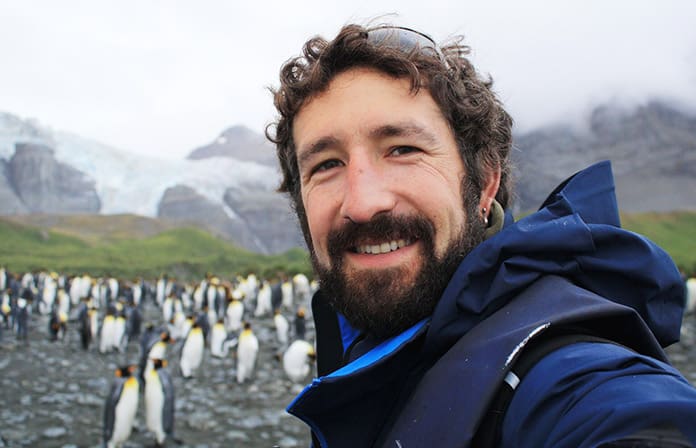
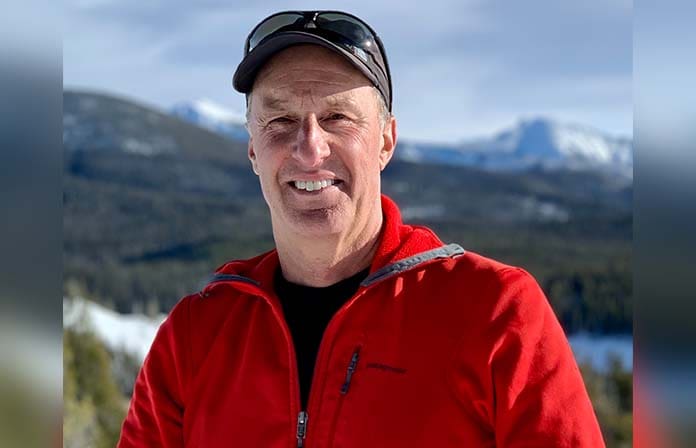
Spruce Schoenemann, Ph.D.
Spruce is committed to delivering an experiential, hands-on education for his students. His courses often include hikes, overnight trips, visits to national parks and field study trips throughout Beaverhead County and the region.
PROFESSOR
Rob Thomas, Ph.D.
Dr. Rob Thomas is a Professor of Geology, Regents’ Professor and Carnegie U.S. Professor. He is a Fellow of the Geological Society of America, recipient of the Humboldt State University Distinguished Alumni Award, the University of Montana Geoscience Alumnus Award, the Geological Society of America Distinguished Service Award, and co-recipient of the Mike Malone Montana Educator of the Year Award.
ASSOCIATE PROFESSOR
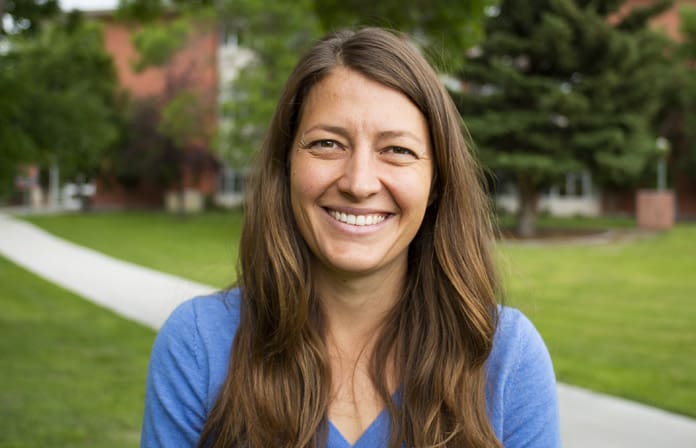
Arica Crootof, Ph.D.
In Arica’s courses students explore how human activities interact with the natural world and learn how to develop sustainable solutions that protect and enhance natural resources. Whether hiking to an alpine lake, attending a local watershed meeting, conducting an interview, or writing a report, students are engaged in practicing their professional pursuits.
What Environmental Sciences Students Have to Say

“It wasn’t easy to make the decision to go back to school after a fourteen year hiatus, luckily, I found Western. The block schedule is an amazing way to learn and the professors are outstanding and enthusiastic.”
-Chris Edgington, Environmental Sciences

“The University of Montana Western’s Environmental Science department has afforded me the opportunity to work with professionals in my chosen field and gain the field experience I need to be competitive with regards to graduate school and the job market.”
-Kelsie Fields, Environmental Sciences

“The experience I gained doing lab work, field observations, and sample collection at Montana Western not only prepared me for work as a field technician at a continental-scale ecology project, but it made me more confident as an up-and-coming scientist.”
-Sharon Williams, Environmental Sciences

“The Environmental Science degree at Western was both challenging and fun. The Experience One system fits in perfect with hands-on learning field trips….even to Moab”
-Michael Melin, Environmental Sciences
Contact Information
Environmental Sciences